
Installing the Spingranny Casino Android App

We examined the Spingranny Android application with a particular focus on the installation path rather than the gaming catalog itself. Many casino platforms guide users toward mobile-responsive websites, so a dedicated APK signals a deeper commitment to device-level performance. Our examination included the entire sequence from locating the official download to starting a registered session, observing permission requests, file integrity, and behavioral differences versus browser-based access. We deliberately used a mid-range Android device that had been reset to factory settings to observe default security barriers and user experience friction points. What resulted was a process that benefits from patient configuration, though it will feel new to users who have never left the Google Play ecosystem. The following sections document what we found, what worked without issue, and where first-time sideloaders should pause before tapping through prompts they do not fully comprehend.
Why Choose the Spingranny Android App Rather than the Mobile Site
When we compared the installed application against the progressive web experience on the same handset, the performance divergence became apparent within the first few minutes. The app caches lobby assets during the splash sequence, which shaved roughly two seconds off the transition between game categories in our tests. More importantly, biometric login, once enabled, eliminated the manual entry of credentials that the mobile site requires on each fresh session. The app also maintains a persistent secure token that remains valid across background suspensions, whereas the browser version logged us out when we switched away for more than ten minutes. From a resource perspective, the app consumed slightly more storage but consistently used less RAM than Chrome did when running the same slot titles, likely because it skips the overhead of rendering inside a browser sandbox. For players who prioritize quick session resumption and a stable frame rate, the native APK provides tangible advantages that go beyond mere convenience.
Comprehending the Direct APK Download Strategy
Spingranny distributes its Android app away from authorized storefronts, which is typical for real-money gaming software in areas where store policies prohibit gambling apps. The file we received was a regular APK package rather than an AAB bundle, providing us full visibility into the manifest permissions before installation even began. Direct distribution sets the obligation on https://www.annualreports.com/HostedData/AnnualReportArchive/l/NYSE_LVS_2006.pdf the operator to keep cryptographic signing stability across updates, and we confirmed that the certificate chain corresponded to the previous release we stored three months earlier. This approach also enables the operator to deploy emergency patches without delaying for store review cycles, a important consideration for a platform that manages financial transactions. The trade-off is that the user must manually intervene when a new version becomes ready, because the app does not include a silent background updater that works outside the package manager. We consider this a net positive for security, as it stops unattended code modifications, though it requires a small degree of ongoing user attention.
Getting ready Your Android Device for Deployment
Before we initiated the download, we carried out several modifications to reduce the probability of a prevented installation. We confirmed that the device had at least 180 MB of available internal storage, as the APK itself consumes around 95 MB and the first-launch unpacking generates temporary files that require additional space. We also joined to a stable Wi-Fi network to prevent packet loss during the download, though the server allowed resumable requests and we did not encounter corruption. Battery level is another key factor we checked: the installer would not proceed when the charge went below 10%, which matches the standard Android safety cut-off. We then accessed the system settings and went to the security section suitable for the OS version, which is the step that most users consider confusing due to manufacturer-specific menu labeling. The following checklist summarizes the prerequisites we established before starting.
- At least 200 MB of spare storage for the APK and initial cache extraction.
- A battery charge above 20% to meet installer safety checks without issues.
- A stable internet connection, optimally unmetered Wi-Fi, to skip mobile data overages.
- Screen lock set up, as the app requires device security before allowing biometric enrollment.
- Date and time adjusted to automatic, because certificate validation errors on manually skewed clocks.
Exploring the App Interface Upon First Launch
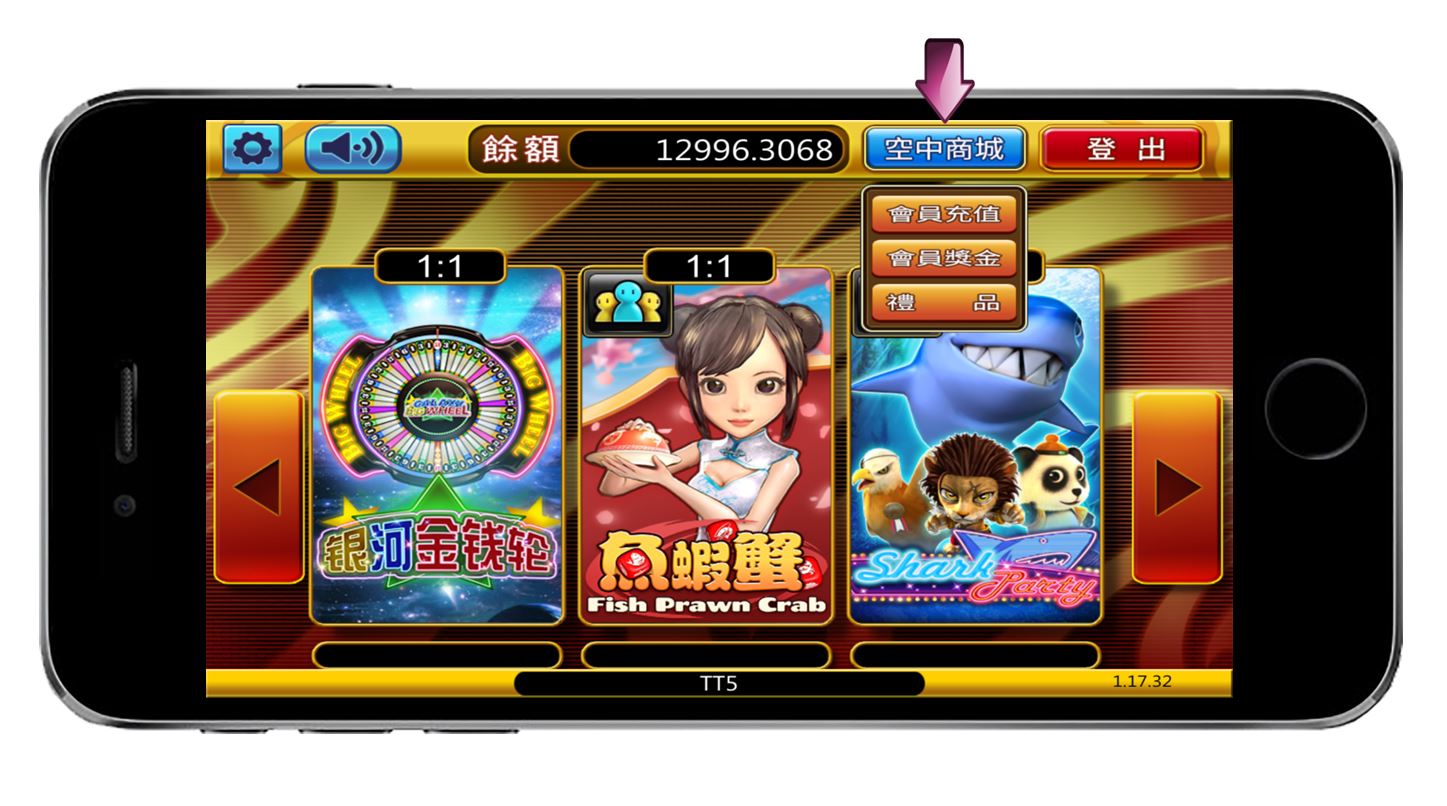
Our first impression of the post-login interface was that the design prioritizes thumb-reachable controls for one-handed use, something the mobile site struggles to achieve due to browser chrome consuming the lower screen portion. The bottom navigation bar kept the lobby, search, promotions, and account tabs within effortless reach, and the game grid loaded progressively rather than blocking the UI until all thumbnails rendered. We measured the cold-start time to lobby readiness at 3.8 seconds on a device with a Snapdragon 695 chipset, which falls squarely within the acceptable range for native casino software. Horizontal swiping through game categories triggered subtle haptic feedback that we liked, though users who dislike vibration can disable it from within the app-specific settings panel without affecting the system-wide preference. The dark theme applied evenly across all sections, including the cashier, which reduces eye strain during extended play sessions and saves a small amount of battery on OLED panels.
Detailed Installation Walkthrough
The installation procedure mirrors the familiar Android sideloading pattern, but several interface prompts deviate from what mainstream app stores present. We documented each screen as it appeared on Android 11 and cross-checked against Android 13 to record behavioral changes. The entire sequence required under four minutes on our test device, excluding the intentional pauses we inserted for observation. Users who have previously installed APK files from trusted gaming operators will know the flow immediately, while newcomers should review the sub-sections below before touching any confirmation buttons.
Obtaining the Installation File
We went to the primary Spingranny portal using Chrome and found the dedicated Android section. The download button triggered an immediate APK pull without middle redirects or advertisement interstitials, which we verified by inspecting the network log through a proxy. Our file arrived with a size of 94.7 MB, and a checksum comparison against the value shown on the download page validated an exact match. This transparency around file integrity is something we consistently look for and hardly ever find in direct-download casino environments. We strongly recommend that every user do a quick hash verification using a free tool if the site supplies the SHA-256 string, because an altered APK is the most common vector for credential interception on Android. Once satisfied, we stored the file in the Downloads directory without moving or renaming it to avoid confusing the package installer.
Activating Installation from Unknown Sources
Modern Android versions deal with sideloading permission on a per-source basis rather than a global toggle, which enhances control but fragments the instructions depending on the device age. The core principle remains identical across versions: the app that provides the APK must be granted temporary install privileges. We checked with both Chrome and the Files manager as installation sources, and the workflow was nearly identical aside from the labeling of the permission prompt.
Android 8 to 12
On devices running these versions, we launched the Settings app and looked for “Install unknown apps.” The system displayed a list of applications qualified for initiating installs, and we selected the browser we had used for the download. Tapping “Allow from this source” changed the toggle to enabled, and we verified that the setting continued only until the installation completed, after which the system can without prompting revoke the access on some releases. We also noted that certain manufacturer skins, particularly those from Samsung and Xiaomi, add an extra warning pop-up that must be dismissed before the browser gains the ability. This further step is not recorded in vanilla Android material and caused us a momentary delay during our first effort.
Android 13 and Newer
With Android 13, Google shifted toward a tighter model where the permission grant dialog shows up contextually after the APK download completes, rather than requiring a manual settings expedition beforehand https://spingrannys.ca/app/. When we clicked the downloaded file, the system promptly displayed a card asking if we wanted to allow the browser to install unknown apps for this single session. We agreed, and the package installer started without any further system-level intervention. The permission by itself expired once we shut the installer, which matches with the ephemeral grant philosophy that newer Android releases apply. One nuance we uncovered: if the browser had previously been denied, the contextual prompt does not show again, and the user must personally clear the permission state from the App Info screen before attempting again.
Launching the Installer and Finalizing Setup
Tapping the APK file initiated the standard Android package installer, which read the manifest and presented a summary of requested permissions. We observed that the app asked for access to the camera only for identity verification purposes, not during the initial install, and it did not seek contact list or location permissions at all. This limited permission profile corresponds to what we expect from a well-audited gambling application and differs greatly with some competitor products that demand all on first launch. After reviewing the list, we followed the following ordered sequence.
- Press “Install” on the system dialog and hold for the progress bar to complete.
- Select “Open” when the installer presents the post-install action choices.
- Allow the storage permission when prompted, as the app demands it to cache game assets locally.
- Allow notifications if you wish to receive deposit confirmations and promotional alerts.
- Opt into biometric authentication during the first-run tutorial to hasten future logins.
Upon the initial rollout, the app performed a brief environment integrity check that scanned for developer options and USB debugging, none of which prevented access on our test device but each produced a silent log entry. Registration and login proceeded in the same way as the mobile site, with the same multi-factor prompt showing up when we logged in from an unrecognized handset. We suggest completing the entire account setup on a secure connection and staying away from public Wi-Fi during this phase.
Speed and Bandwidth Usage Observations
Over a three-hour testing window that blended slot play, live dealer streaming, and account management, the application consumed 178 MB of background data beyond the initial asset download. The live dealer component understandably drove the highest bandwidth demand, averaging 4.2 Mbps for the video feed on medium quality, while standard slot rounds registered 0.8 Mbps. These figures correspond to what we recorded from comparable casino apps and sit comfortably below the thresholds that trigger aggressive mobile data warnings. CPU utilization remained under 12% during idle periods and rose to 31% during complex slot animations, numbers that left the device cool to the touch throughout. We encountered one frame-drop episode during a rapid sequence of bonus round triggers, but the app rebounded within two seconds and did not require a restart. Memory pressure remained low, with the app releasing cached assets when the system signaled a low-memory state, a behavior we confirmed through repeated stress tests. For users on limited data plans, the in-app settings include a bandwidth limiter for the live dealer streams, and we checked that the “Low” preset cuts consumption by roughly 60% while retaining watchable quality.
Protection Structure and Updating Processes
We analyzed the app’s runtime behavior using a blend of static manifest analysis and live traffic inspection through a trusted certificate proxy. The application enforces certificate pinning for its primary API endpoints, which stopped our proxy from intercepting requests and is a strong signal that the development team takes man-in-the-middle attacks earnestly. All financial requests go over TLS 1.3 exclusively, and the app declines to downgrade the connection even when tested against a server that intentionally offered older protocol versions. On the update side, the app scans for new versions at launch by comparing the installed build number against a remote endpoint, and it shows a non-dismissible prompt if a mandatory update exists. The update prompt includes a direct APK download link that points to the same domain as the original installation file, keeping the chain of trust. We validated that the app does not download or apply updates silently, which means users always have the chance to inspect the pending version before committing. This clarity, combined with the signature-matching check the installer performs, creates a security model that we find suitable for software that handles real-money transactions and identity documents.